Framing vs. Stretching Canvas: Which Is Better?
Displaying a canvas painting properly enhances its beauty and protects it. Choosing between framing and stretching depends on your style preference, space, and the type of artwork.
1. Stretched Canvas
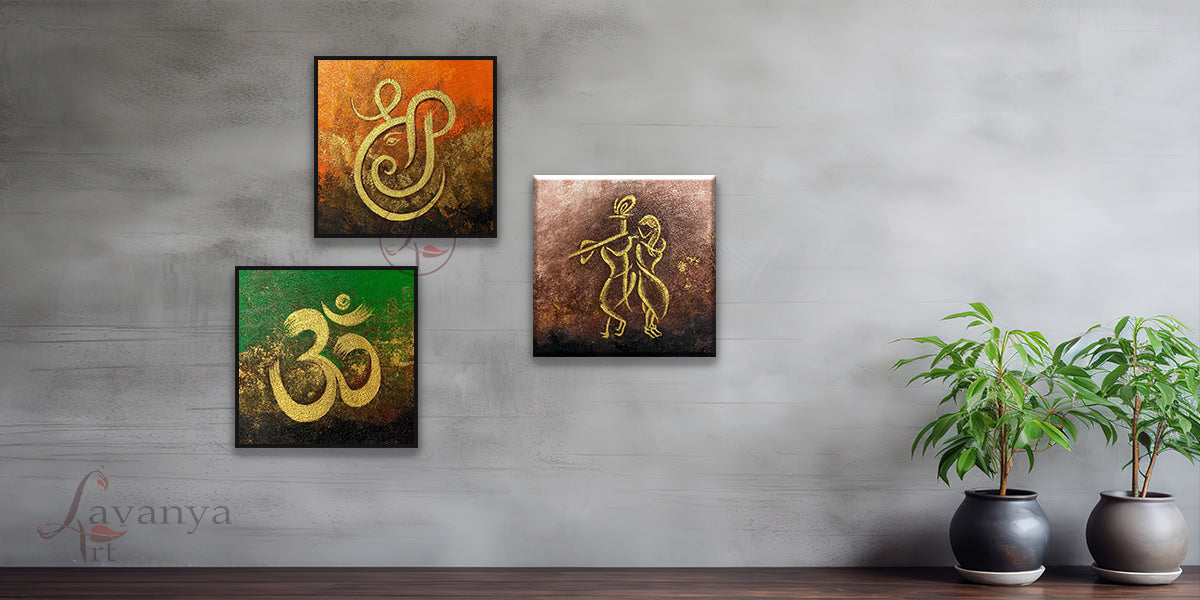
What it is: The painting is stretched over a wooden frame (stretcher bars), with the edges visible.
Pros:
- Modern, Minimalist Look: Perfect for contemporary interiors.
- Edge Artwork: Artists can paint on the edges, eliminating the need for a frame.
- Lightweight & Easy to Hang: Simple and clean presentation.
- Cost-Effective: Avoids the extra cost of framing.
Cons:
- Offers less protection for edges and corners.
- May not suit traditional or formal décor.
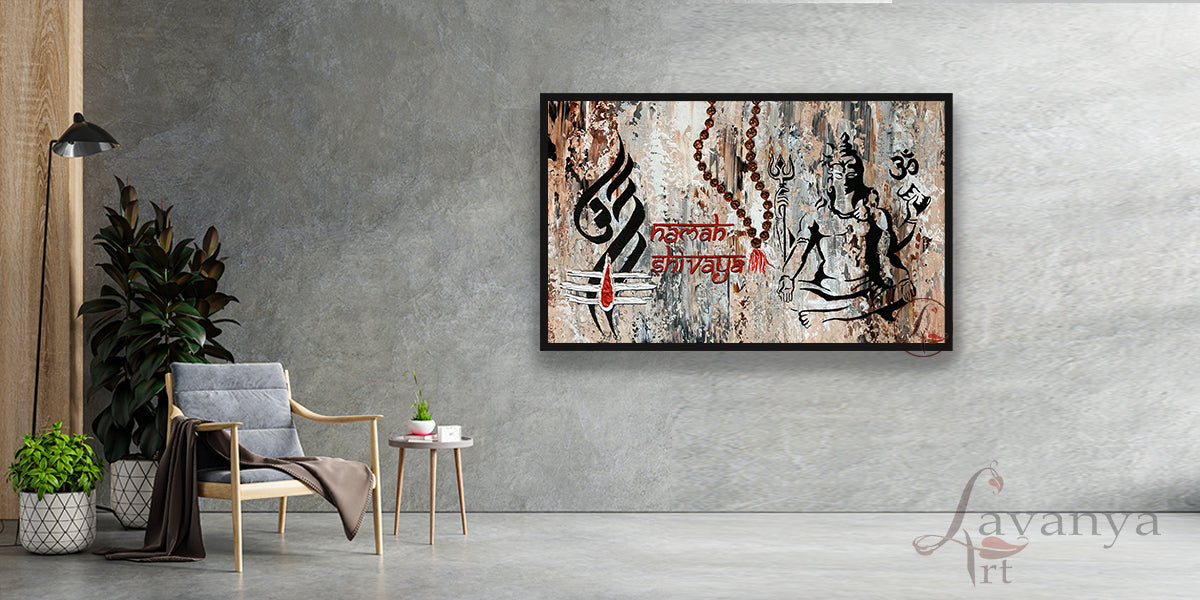
2. Framed Canvas
What it is: The painting is placed inside a frame (wood, metal, or decorative material).
Pros:
- Enhanced Protection: Protects edges and corners from damage.
- Classic & Elegant: Frames add sophistication and can match your décor.
- Customizable: Frames can be chosen to suit room style or artwork aesthetics.
- Versatile Display: Works for both modern and traditional paintings.
Cons:
- More expensive than stretched canvas.
- Slightly heavier and more complex to hang.
3. How to Decide
- Interior Style: Minimalist → Stretched canvas; Traditional or luxurious → Framed canvas.
- Artwork Type: Bold abstracts → Stretched canvas; Delicate or intricate pieces → Framed canvas.
- Budget: Stretching is more affordable; framing adds cost.
- Longevity: Framing offers more protection, especially for high-value originals.
Final Thought
Both methods have their advantages. Stretched canvases offer a modern, clean look, while framed canvases provide elegance and extra protection. The choice depends on your style, space, and the artwork itself.
At Lavanya Art Studio, I provide both stretched and framed options, so each handmade painting can be displayed beautifully and preserved for years.