Shiva Painting Meaning: Third Eye, Trishul & Nataraja Symbolism
A Shiva painting is more than a beautiful piece of Indian art. For many people, Shiva represents peace, strength, meditation, and transformation.
Shiva is often called the destroyer, but destruction does not always mean something negative. It can also mean letting go of what is no longer needed and making space for something new.

The Third Eye
Shiva's third eye is a symbol of deeper awareness and understanding. It represents seeing beyond what is immediately visible and looking at things with greater wisdom.
In a Shiva painting, the third eye often becomes a quiet but powerful focal point.
The Trishul
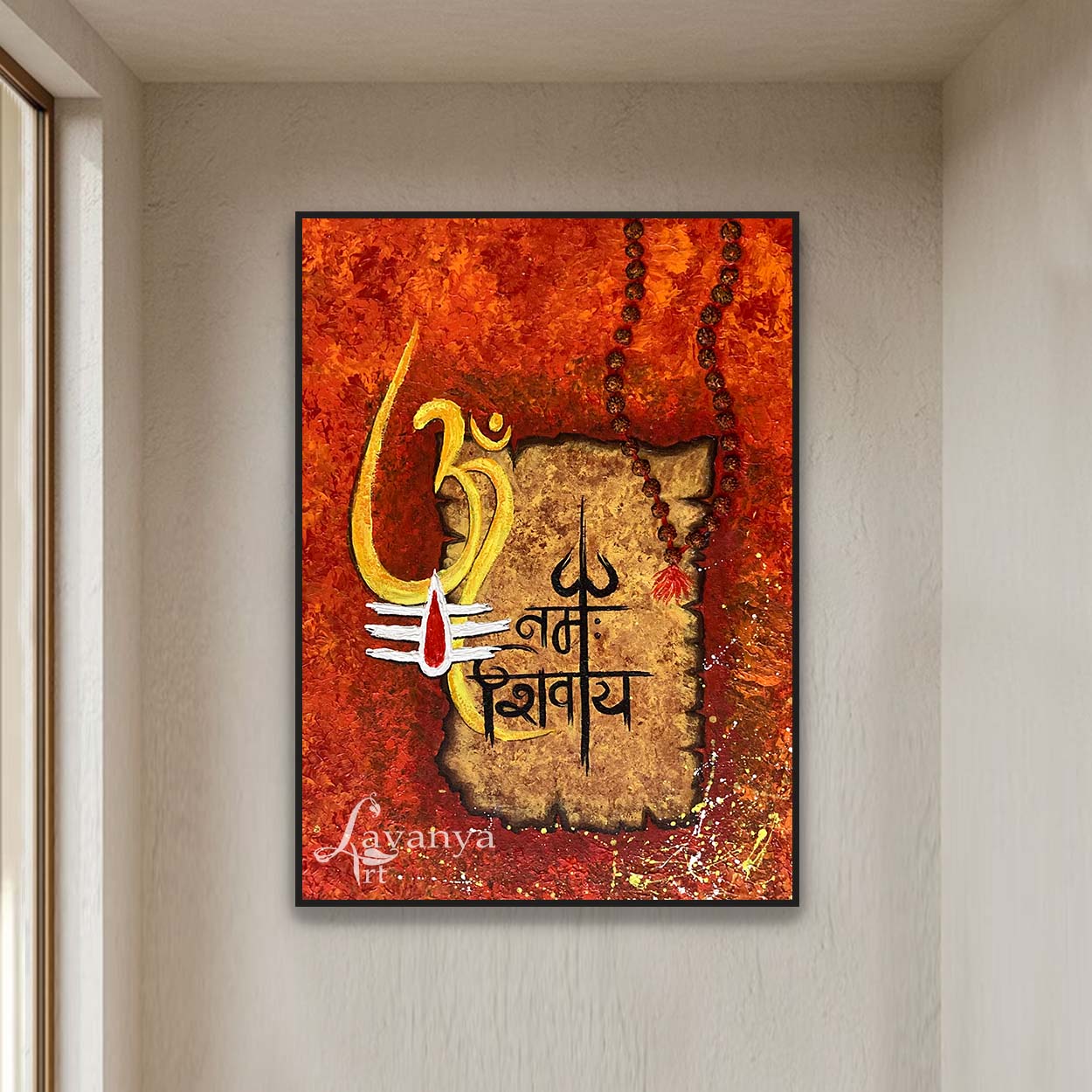
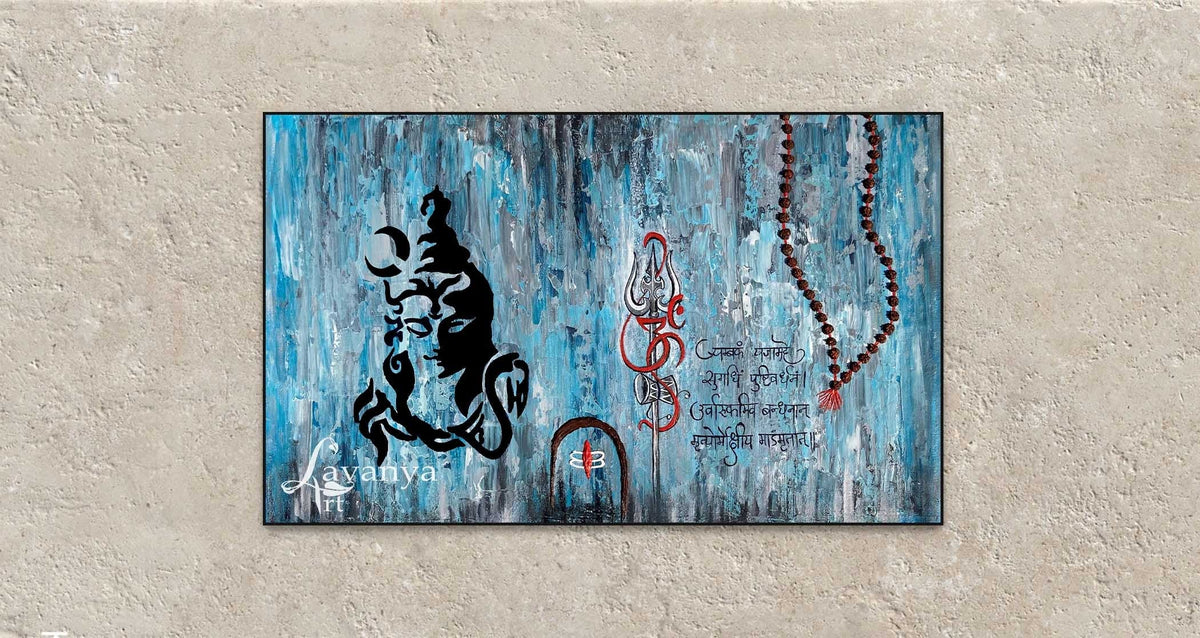
The trishul, or three-pronged trident, is one of Shiva's most recognizable symbols. Its three points have different traditional interpretations and are often connected with the three aspects of existence: creation, preservation, and dissolution.
The Crescent Moon
The crescent moon in Shiva's hair is connected with time and cycles. It is also one of the details that gives Shiva his peaceful and distinctive appearance.
Nataraja – Shiva's Cosmic Dance
Nataraja shows Shiva as the cosmic dancer. His dance represents the continuous movement of life—creation, change, and transformation.
I especially love painting Nataraja because there is so much movement and meaning within one figure.
Why Handmade Shiva Paintings Feel Different
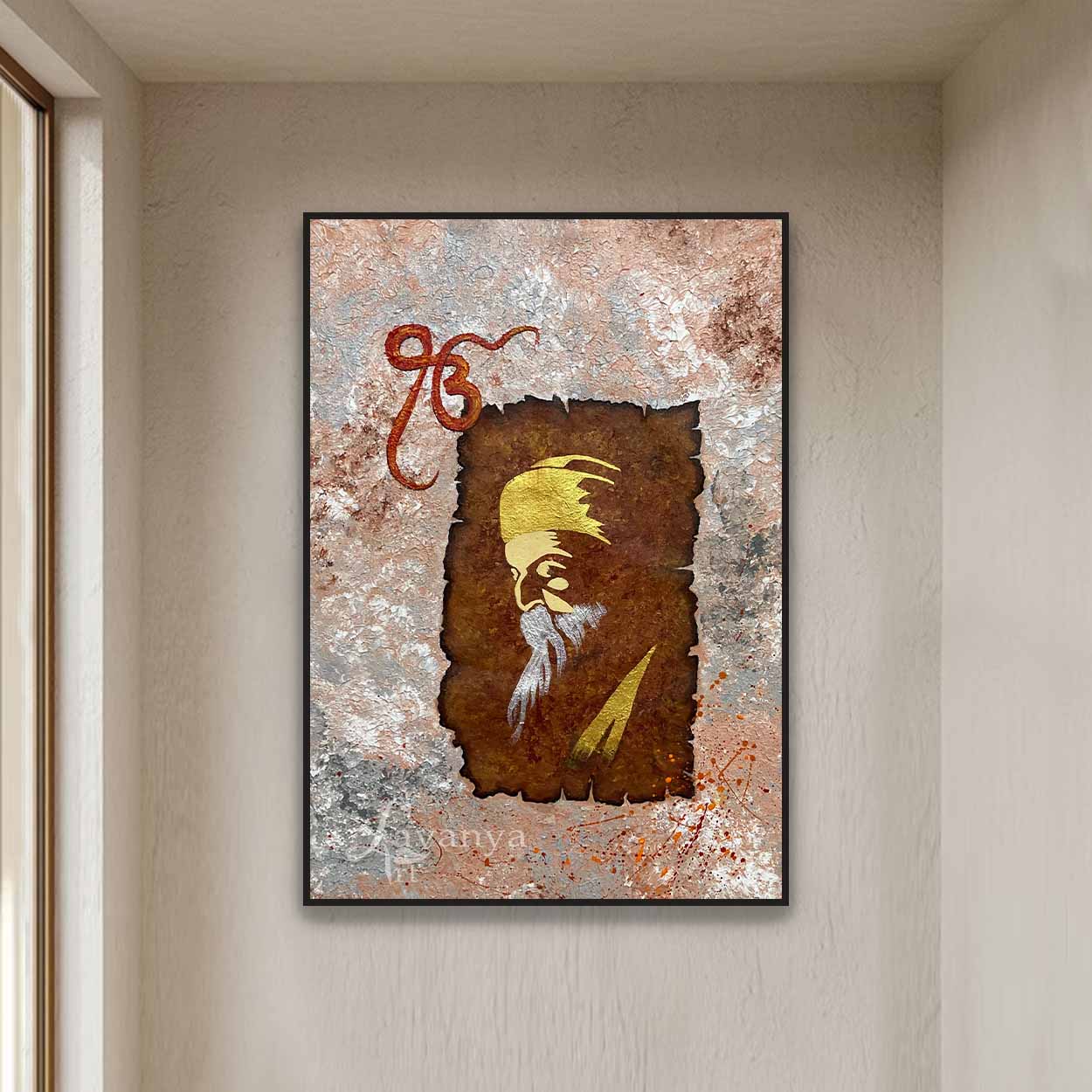
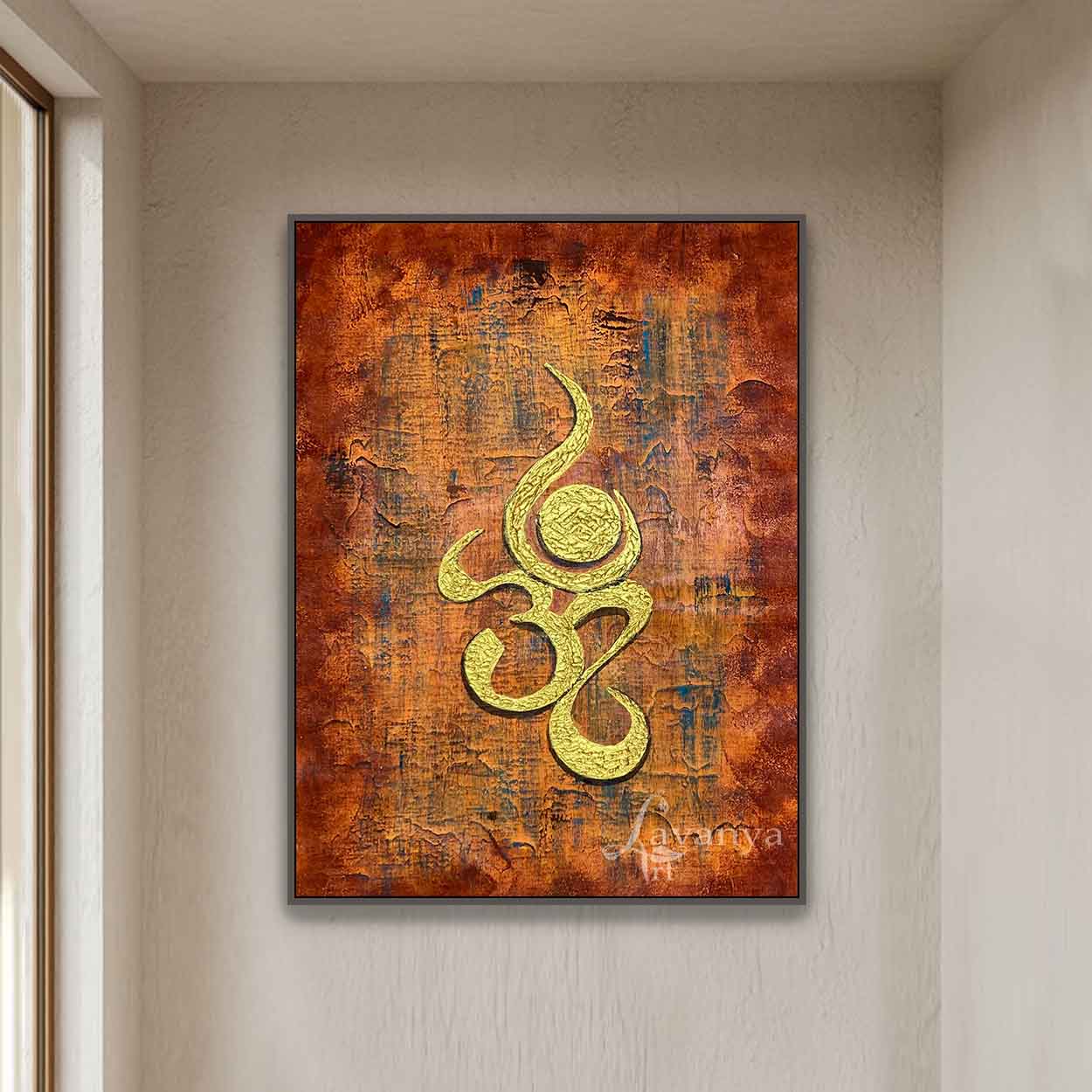
At Lavanya Art Studio, Shiva paintings are created by hand rather than reproduced as prints. Tejasvi Patel builds the surface with layers of premium acrylic and oil colours, using a palette knife to create raised texture and dimension on canvas.
That texture is part of the artwork itself. As natural or artificial light moves across the raised surface, highlights and shadows can change, giving the painting a different appearance at different times of day.
This is one of the qualities that distinguishes an original handmade painting from a printed reproduction. Small variations in texture, brushwork, palette-knife marks, and surface details make each original work individual.
For collectors choosing Shiva artwork, the symbolism can be as important as the visual beauty. The third eye can suggest higher awareness. The trishul can represent interconnected forces. The crescent moon can evoke time and cycles. Nataraja can express the rhythm of transformation.
Together, these symbols give Shiva art a depth that can continue to reveal itself long after the painting has become part of a home.
Original Shiva paintings by Tejasvi Patel bring these traditional symbols into a contemporary, textured art style—combining Indian spiritual heritage with modern abstract expression.
Frequently Asked Questions About Shiva Paintings
What does a Shiva painting symbolize?
A Shiva painting can represent transformation, meditation, inner strength, and the process of letting go. The meaning can also change depending on the form of Shiva shown.
What does the third eye of Shiva represent?
Shiva's third eye is traditionally associated with higher awareness, wisdom, and seeing beyond ordinary appearances. It is one of the most important symbols in Shiva artwork.
What does the trishul represent in Shiva paintings?
The trishul, or trident, is one of Shiva's main symbols. Its three points have different traditional interpretations and are often connected with creation, preservation, and dissolution.
Is Shiva wall art suitable for a bedroom?
Yes. A calm, meditative Shiva painting in soft colours such as white, ivory, blue, or muted gold can work well in a bedroom. A more dramatic Nataraja painting may be better suited to a living room, office, or entryway.
Where can I place a Shiva painting?
Shiva wall art can be placed in a living room, meditation space, home office, bedroom, reading area, or other quiet space. Consider the painting's size, colours, and visual intensity when choosing the location.
Why choose an original handmade Shiva painting?
An original handmade Shiva painting has real texture and individual details that cannot be reproduced exactly in a print. My Shiva paintings are created with a palette knife and layers of paint, giving the surface depth and allowing the artwork to interact with light.